

Peripheral neuropathy can feel like something that slowly narrows life.
It may begin subtly — a tingling in the toes, a patch of numbness, a sensation that the ground feels slightly unfamiliar. Over time, those small signals can evolve into balance challenges, sensitivity changes, or muscle weakness that affects daily routines.
For many people, the most difficult part is not just the symptoms themselves — it is the uncertainty.
Will this continue progressing?
Is independence at risk?
Is improvement possible?
While peripheral neuropathy can be complex, there is one empowering truth: the body and nervous system are adaptable. Even when nerve changes exist, strength can improve. Balance can sharpen. Confidence can return.
Overcoming peripheral neuropathy is not about denying its presence. It is about building capacity around it.
Understanding What Is Happening Beneath the Surface
Peripheral neuropathy involves disruption to the peripheral nerves — the communication lines that connect the brain and spinal cord to the rest of the body.
These nerves carry:
- Sensory information (touch, vibration, temperature)
- Motor signals to muscles
- Autonomic signals that regulate internal processes
When these signals become impaired, symptoms may include:
- Tingling or “pins and needles”
- Burning sensations
- Numbness
- Heightened sensitivity
- Weakness
- Reduced balance awareness
The feet are often affected first because the nerves traveling to them are the longest — and longer nerves are more vulnerable to stress.
Understanding this physiology removes some of the mystery. It becomes less about unpredictability and more about communication.
And communication can be supported.
The Nervous System Is Adaptable
One of the most hopeful aspects of the human body is neuroplasticity — the nervous system’s ability to adapt.
While damaged nerves may not always fully regenerate, the surrounding systems can compensate:
- Muscles can grow stronger.
- Balance strategies can improve.
- Coordination can be retrained.
- The brain can refine movement patterns.
Overcoming peripheral neuropathy is often about strengthening the systems that support altered nerve input.
It is not about waiting passively for sensation to return.
It is about actively building resilience.
Rebuilding Balance: The Foundation of Confidence

When sensation in the feet decreases, balance can feel uncertain.
But balance is not dependent solely on the feet. It also relies on:
- Vision
- Inner ear (vestibular system)
- Core stability
- Hip strength
- Reaction time
Training these systems builds redundancy — meaning the body has multiple ways to maintain stability.
Simple daily balance drills can create significant improvement:
- Standing on one leg near support
- Heel-to-toe walking
- Slow marching in place
- Controlled weight shifts
- Eyes-closed balance challenges (when safe)
Five minutes per day can retrain stability.
Progress often begins subtly — fewer wobbles, quicker corrections, improved confidence stepping off curbs.
Those small shifts matter.
Strength as a Protective Buffer
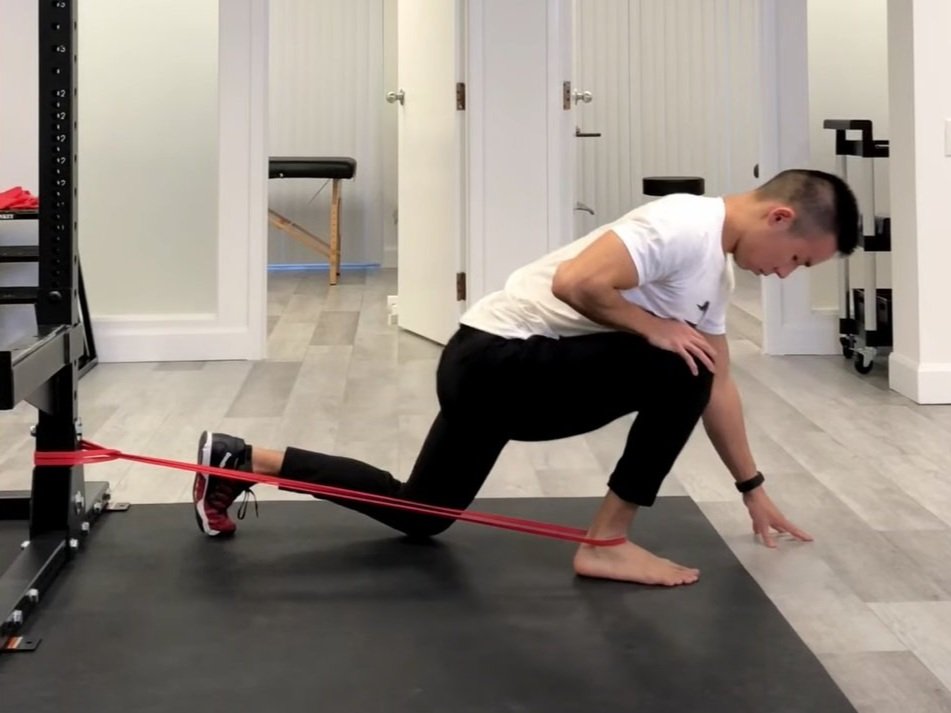
Muscle strength becomes a protective buffer when nerve sensation changes.
Strong calves help stabilize the ankle.
Strong glutes support hip alignment.
Strong quadriceps assist with controlled steps.
When muscles are conditioned, mechanical stability increases — even if sensory feedback is reduced.
Strength training for neuropathy does not need to be extreme. It needs to be progressive and consistent.
Foundational movements include:
- Calf raises
- Resistance band ankle work
- Sit-to-stands
- Step-ups
- Glute bridges
Two to three sessions per week can meaningfully improve lower-body support.
Over time, walking feels steadier. Stairs feel more predictable. Fatigue decreases.
Strength builds security.
Circulation Supports Nerve Health
Peripheral nerves rely on healthy blood flow.
Low-impact cardiovascular activity enhances circulation, oxygen delivery, and overall tissue health.
Walking, cycling, swimming, or water aerobics are excellent options.
Movement does not need to be long or intense. Even 10–15 minutes of consistent activity supports vascular health.
Breaking up long periods of sitting is equally important.
Circulation is nourishment.
Nourishment supports resilience.
Retraining Sensory Awareness

When sensation is altered, intentional sensory retraining can help.
This might include:
- Rolling the foot on a textured ball
- Standing on different surfaces (grass, foam, mat)
- Light foot massage
- Contrast baths (if medically appropriate)
These practices stimulate sensory receptors and maintain neural engagement.
Even if full sensation does not return, awareness often improves.
The brain responds to repetition.
Addressing Fear of Falling
Fear of falling can become more limiting than physical symptoms.
That fear often leads to:
- Reduced activity
- Muscle deconditioning
- Social withdrawal
- Increased isolation
Structured exposure rebuilds confidence.
Start small:
- Practice stepping over low objects.
- Train stair navigation with support.
- Increase walking distance gradually.
- Use trekking poles or handrails when needed.
Confidence returns through successful experiences.
Avoidance reinforces fear.
Exposure builds resilience.
Nutrition and Medical Support
Overcoming peripheral neuropathy often includes collaboration with healthcare providers.
In some cases, vitamin deficiencies — particularly B12 — contribute to symptoms. Managing blood sugar levels is critical when diabetes is involved.
Balanced nutrition supports nerve health:
- Adequate protein for tissue repair
- Omega-3 fatty acids for anti-inflammatory support
- Hydration for cellular function
- Micronutrients for nerve metabolism
Exercise complements medical care.
The two work best together.
Sleep and Recovery
Sleep influences nerve sensitivity and overall healing.
Poor sleep can amplify symptoms. Chronic fatigue reduces balance awareness and reaction time.
Prioritizing sleep hygiene is foundational:
- Consistent bedtime
- Dark, cool sleeping environment
- Reduced screen exposure before bed
- Light exposure in the morning
Recovery is not passive.
It is strategic.
Home Environment Safety
Overcoming neuropathy also includes reducing environmental risk:
- Remove loose rugs
- Improve lighting in hallways
- Install grab bars if necessary
- Keep walkways uncluttered
- Wear supportive footwear
These adjustments create safety while physical capacity improves.
Prevention is part of empowerment.
Redefining “Overcoming”
Overcoming peripheral neuropathy does not always mean eliminating every symptom.
It often means:
- Improving balance enough to walk confidently
- Increasing strength to reduce fatigue
- Expanding activity tolerance
- Reducing fear
- Maintaining independence
Progress may be incremental.
But incremental progress accumulates.
When daily life feels steadier, that is meaningful change.
A Structured Weekly Plan
A sustainable framework might include:
Strength Training (2–3x weekly)
Lower body focus with gradual progression.
Balance Work (Daily, 5–10 minutes)
Single-leg drills and stability exercises.
Low-Impact Cardio (3–5x weekly)
Walking or cycling for circulation.
Mobility and Foot Care (Daily)
Ankle mobility and skin checks.
Lifestyle Support
Sleep, hydration, nutrition.
Structure builds momentum.
Momentum builds confidence.
There Is Space for Progress
Peripheral neuropathy can feel isolating.
But improvement is possible.
Strength can increase.
Stability can sharpen.
Confidence can return.
The nervous system may not revert entirely to its previous state — but the body can become more capable within its current reality.
That shift — from fragile to resilient — changes everything.
Overcoming peripheral neuropathy is not about denial.
It is about strategy.
And strategy creates forward motion.
A Supportive Next Step
For those navigating peripheral neuropathy and seeking structured guidance, a personalized approach can provide clarity and reassurance.
A free Discovery Visit offers the opportunity to review symptoms, assess balance and strength, and explore a progressive plan designed to improve stability and independence.
Book a free DV today to begin building strength, restoring confidence, and moving forward with greater resilience.
