

Peripheral neuropathy can feel confusing.
There may be tingling in the feet.
Numbness in the toes.
Burning sensations that seem to appear without warning.
A sense of instability while walking.
For many people, the most unsettling part isn’t just the physical sensation — it’s the unpredictability.
Questions start to surface:
Why is this happening?
Is this going to get worse?
Is it still safe to stay active?
Peripheral neuropathy can sound intimidating, but understanding what is happening beneath the surface often brings clarity — and with clarity comes direction.
This is not about false reassurance.
It is about informed empowerment.
What Is Peripheral Neuropathy?

Peripheral neuropathy refers to dysfunction or irritation of the peripheral nerves — the nerves outside of the brain and spinal cord.
These nerves are responsible for:
- Sending sensory information (touch, temperature, vibration) to the brain
- Controlling muscle movement
- Regulating certain automatic body functions
When these nerves are irritated or damaged, communication becomes disrupted.
That disruption can show up as:
- Tingling or “pins and needles”
- Burning sensations
- Numbness
- Heightened sensitivity
- Muscle weakness
- Reduced balance awareness
The feet are commonly affected first because the longest nerves in the body travel there — and longer nerves are often more vulnerable to stress.
Why Does Peripheral Neuropathy Occur?
Peripheral neuropathy can have multiple contributing factors, including:
- Diabetes
- Vitamin deficiencies
- Autoimmune conditions
- Medication side effects
- Alcohol overuse
- Infections
- Chronic inflammation
- Nerve compression
- Idiopathic (no clear cause)
Sometimes, the cause is clear. Other times, it is not.
Regardless of origin, the nervous system remains adaptable to some degree. That adaptability is where rehabilitation and lifestyle adjustments play a meaningful role.
The Nervous System and Sensitivity
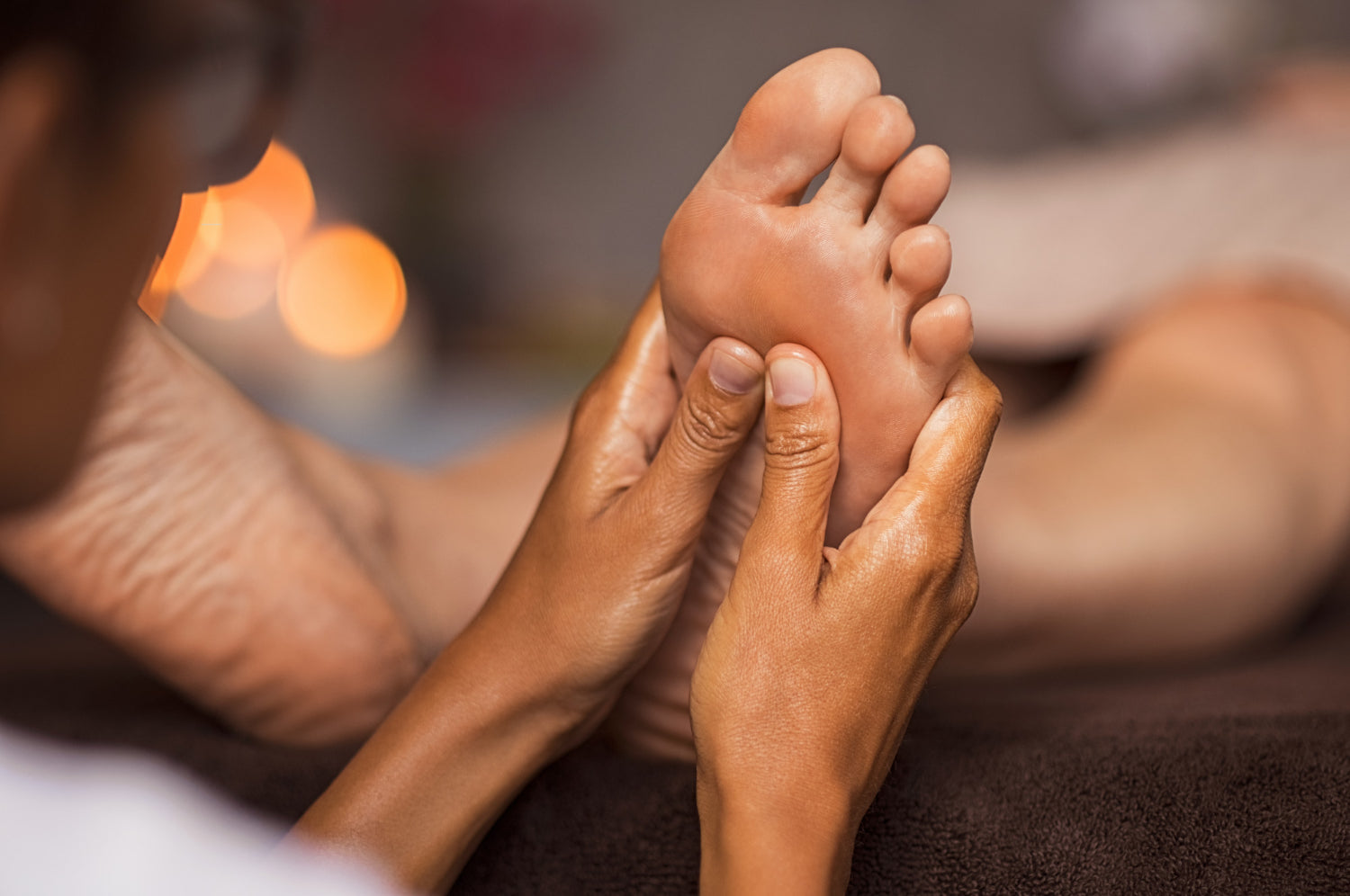
Nerves are not static wires. They are living tissue.
When irritated, they can become more sensitive — meaning signals may feel amplified.
For example:
- Light touch may feel sharp.
- Mild pressure may feel intense.
- Temperature changes may feel exaggerated.
This does not necessarily mean further structural damage is occurring. It can reflect a sensitized system.
Calming and supporting the nervous system becomes part of the strategy.
And that includes movement.
The Role of Movement in Neuropathy
It might seem counterintuitive to move more when sensation feels altered.
But appropriate movement improves:
- Circulation
- Oxygen delivery to nerves
- Muscle strength
- Balance
- Coordination
- Confidence
Avoiding movement completely can lead to deconditioning, which may increase fall risk and instability.
The key is graded exposure.
Gentle, consistent activity — rather than sporadic bursts — helps maintain both nerve health and muscular support.
Balance: A Primary Focus

One of the most noticeable challenges with peripheral neuropathy is balance.
When sensation in the feet decreases, the body receives less feedback about ground contact and position.
Balance training becomes essential — not optional.
Foundational balance work might include:
- Standing on one leg near support
- Tandem stance (heel-to-toe)
- Slow marching in place
- Gentle weight shifts
These exercises retrain awareness and strengthen the muscles that support stability.
Confidence improves gradually — and that matters.
Strength as Structural Support
When nerve communication is inconsistent, muscle strength becomes even more important.
Strong muscles provide mechanical support when sensory input is reduced.
Focus areas often include:
- Calves
- Tibialis anterior (front of the shin)
- Quadriceps
- Hamstrings
- Glutes
Strengthening does not need to be intense. It needs to be consistent.
Two to three sessions per week of progressive strength work can significantly improve stability over time.
Circulation and Nerve Health
Peripheral nerves rely on adequate blood flow.
Low-impact cardiovascular activity — such as walking, cycling, or swimming — helps promote circulation.
Even short bouts of movement throughout the day support nerve nourishment.
Long periods of sitting can reduce circulation to the lower extremities. Gentle movement breaks are helpful.
Small habits make measurable differences.
Foot Care and Awareness
With reduced sensation, minor foot injuries may go unnoticed.
Daily foot checks are important. Look for:
- Skin changes
- Blisters
- Cuts
- Pressure points
- Redness
Well-fitted footwear with adequate support also reduces mechanical stress.
Simple attention to foot health prevents secondary complications.
The Emotional Impact

Peripheral neuropathy can affect independence and confidence.
Fear of falling.
Fear of progression.
Frustration with altered sensation.
These feelings are valid.
Addressing the emotional component is part of comprehensive care.
Stress management, sleep quality, and supportive communication all influence the nervous system’s reactivity.
Healing is rarely purely physical.
Pacing and Realistic Expectations
Peripheral neuropathy management is not about quick fixes.
Improvement may look like:
- Fewer balance stumbles
- Increased walking tolerance
- Greater foot awareness
- Reduced intensity of tingling
- Stronger lower body endurance
Progress tends to be gradual.
Consistency outperforms intensity.
The nervous system responds to repetition.
Nutrition and Nerve Support
In some cases, vitamin deficiencies — particularly B vitamins — contribute to neuropathy.
Balanced nutrition supports nerve health and tissue repair.
Hydration also plays a role in cellular function.
Collaboration with healthcare providers ensures appropriate medical management when necessary.
Movement complements — it does not replace — medical care.
Reducing Fall Risk
Practical home adjustments can enhance safety:
- Remove loose rugs
- Ensure adequate lighting
- Use supportive handrails
- Avoid cluttered walkways
These changes reduce environmental risk while physical capacity is being rebuilt.
Safety and strength progress together.
A Holistic Framework for Peripheral Neuropathy
An effective approach often includes:
Strength Training (2–3x per week)
Lower body focus with progressive resistance.
Balance Work (Daily, brief sessions)
Simple drills near stable support.
Low-Impact Cardio (3–5x per week)
Walking, cycling, or swimming.
Mobility Work (5–10 minutes daily)
Ankles and feet prioritized.
Lifestyle Support
Sleep, nutrition, stress management.
Layered strategies create cumulative progress.
There Is Space for Improvement
Peripheral neuropathy can feel discouraging.
But even when nerve changes are present, capacity can improve.
Strength can increase.
Balance can stabilize.
Confidence can return.
The nervous system remains adaptable — especially when supported consistently.
Progress may not be dramatic.
But it is often meaningful.
And meaningful progress restores independence.
A Supportive Next Step
If peripheral neuropathy has been affecting balance, strength, or daily function, structured guidance can provide clarity and direction.
A free Discovery Visit offers the opportunity to discuss symptoms, review movement capacity, and explore a personalized plan designed to support stability and confidence.
Book a free DV today to begin building strength, improving balance, and taking practical steps toward greater resilience and independence.
